Games our kids
dreamed up and built.
Our kids don't write code. They describe the game they want: what it is, how it plays, how it feels, why it's fun. Then they keep asking until it exists. We'd rather they build with AI than grow up watching other people use it.
The games
Both play offline, for road trips and planes. No ads, and they collect nothing.
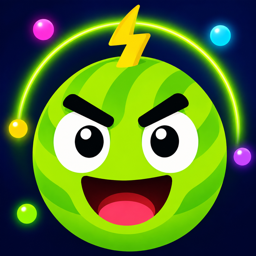
TheMuncher
Built by a 10-year-oldA neon arena where you eat, grow a long tail, boost past rivals, and try not to crash into anybody, including yourself.
On the App Store See the game →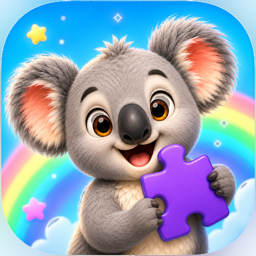
PuzzleKoala
Designed by a 6-year-old100 pictures from 6 pieces up to 56: beach days, family picnics, sports, fairy tales and plenty more. Calm, quiet, and made for small hands on an iPad.
See the game →How this works
The kid stays the author. AI is the tool, not the idea.
Say what the game is. Then what you do in it, what it looks like, why it's fun. No code, just the idea, clear enough to build from.
That description becomes a prompt. Our 10-year-old writes his own. Our 6-year-old talks while dad types exactly what she says.
Run it, find what feels wrong, say why, ask again. Describe, test, fix: that loop is the whole skill.
What they actually learned
The games are the side effect.
- Say what you mean, precisely enough that something can be built from it.
- Break something big into parts small enough to ask for.
- Test your own work honestly, and find the flaw before anyone else does.
- Accept that version one is wrong, and keep going anyway.
None of that is about games, and none of it expires.
What's next
More games are in the sketchbook. When one is ready, it shows up here. Say hello at .